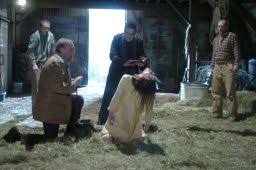
In a 2021 survey of 2,000 Americans aged 21 and over, 63 percent reported believing in paranormal activity. A separate CivicScience survey found that 61 percent of U.S. adults believe in ghosts or spirits, and 64 percent believe in at least one type of paranormal or supernatural phenomenon. These findings suggest that a significant portion of Americans hold some level of paranormal belief, with varying degrees of acceptance of specific phenomena such as ghosts, aliens, and other supernatural beings. Among respondents in one poll, 56.9 percent said they believe in extraterrestrial life, 61.4 percent believe in ghosts, and 70.3 percent believe in the devil—lower than the 85.4 percent who reported belief in God.
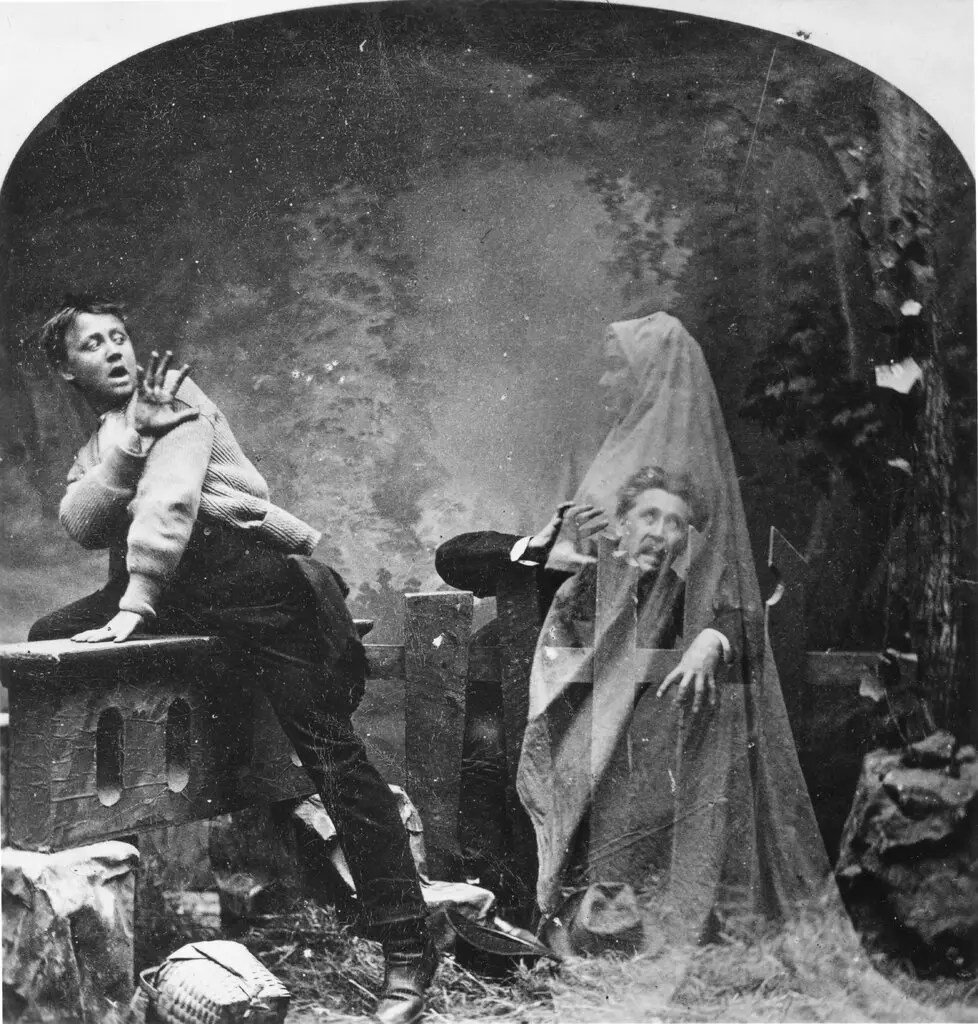
According to the Pew Research Center, roughly 70 percent of Americans believe some form of interaction between the living and the dead is possible, and about 44 percent say they have felt the presence of a deceased person. While these figures are not definitive worldwide estimates, they highlight the prevalence of paranormal belief within specific regions. Belief in ghosts and spirits is often intertwined with cultural traditions, personal experiences, and religious teachings.
Interest in studying paranormal experiences dates back to the late nineteenth century, around the origins of modern psychology. However, because of limited scientific evidence supporting paranormal phenomena, many psychologists view such beliefs as stemming from cognitive biases or perceptual errors. A 2023 Psychology Today article notes that “believing leads to seeing almost as much as seeing leads to believing,” a concept known as confirmation bias. Human perception is interpretive rather than purely objective, and sensory input from the environment is filtered through expectations and prior beliefs.
Laboratory studies have demonstrated that hallucinations resembling supernatural encounters can be induced under controlled conditions. Researchers suggest these experiences arise from the brain’s processing of unexpected or ambiguous sensory information. As a result, many psychologists approach paranormal claims cautiously, emphasizing the fallibility of perception.
Recent research from the University of Delaware indicates that increased consumption of video-centric social media content correlates with stronger paranormal beliefs. Platforms such as YouTube and TikTok host thousands of videos depicting alleged ghosts or unidentified flying objects, often uploaded by individuals without scientific or investigative credentials. Communication professor Paul Brewer, who led the study, sought to understand how media exposure shapes belief systems. He noted that polling consistently shows a substantial percentage of the public believes in paranormal phenomena and questioned how media messages contribute to sustaining or reinforcing those beliefs. Brewer observed that individuals searching for content that supports paranormal ideas will readily find material online that confirms their views.
In my opinion, many people know someone who believes in ghosts, UFOs, or angels and demons. Social media can reinforce these beliefs, while skeptics often argue that viral images are fabricated or misinterpretations of natural phenomena. Some social scientists contend that declining participation in organized religion has coincided with the persistence—or transformation—of supernatural and superstitious beliefs. Television, film, and online communities also play a role in sustaining public fascination with the paranormal by connecting like-minded individuals across the globe.
I sometimes question television programs that attempt to “debunk” unusual footage. Demonstrating that a scene can be replicated does not necessarily prove that every similar report is fraudulent; it only shows that imitation is possible. On a personal level, I have had experiences—such as sleep paralysis and sightings I interpreted as unidentified flying objects—that shaped my interest in the topic. Surveys have suggested that roughly one-third of people believe extraterrestrials have visited Earth, and about one-third report having seen a UFO.
In a privately funded nationwide survey conducted by the Roper Organization, respondents were randomly sampled from an estimated 185 million American adults at the time. The authors of the book Intruders interpreted the results to suggest that approximately 3.7 million Americans may have experienced alien abduction. While such conclusions remain controversial, they illustrate the enduring public fascination with paranormal and extraterrestrial themes.
I’m SABear and I approve this message.

HOME

 Life is not a Spectator Sport
Leave a comment