
There’s a growing conversation across multiple sports that halls of fame may be too exclusionary in practice, even if the idea of honoring the best isn’t controversial. But it’s not a simple “exclusionary vs. inclusive” question — it cuts both ways, and different critics point to different flaws in how halls operate today.
Calls from figures like Deion Sanders highlight criticism that current voters (often media members) may not be best equipped to judge greatness, with suggestions that only existing Hall members should vote. (Yahoo Sports) Critics argue that Black players, early pioneers, or international athletes were overlooked for years. While many have been inducted eventually, the delays spark questions about fairness and representation.
Interestingly, some critics say halls are too inclusive — that standards have lowered over time so that the title of “Hall of Famer” doesn’t feel exclusive enough. This counterargument usually comes from fans who think elite recognition should be extremely limited (the “few all-time greats” view).

In August of 2024, the PFHOF changed the bylaws to make it harder to enter. This was done to raise the standard of new entries to Hall. In 2025, NFL icons Bill Belichick and Robert Kraft did not garner the requisite number of votes on their first ballot eligibility. The result was public uproar. The Hall of Fame threatened to remove voters for bylaws violations. Neither Belichick or Kraft are banned and both are likely to be voted in on next ballot. Many NFL experts say they were insulted by not being selected on their first availability.
Neither Bill Veeck nor Connie Mack were outstanding baseball players or great managers. However, the totality of what each did for the good of the game eclipses three-quarters of all members enshrined in Cooperstown. Conversely, what can you say for a sport that has banned the all-time hits leader AND the all-time home run leader.
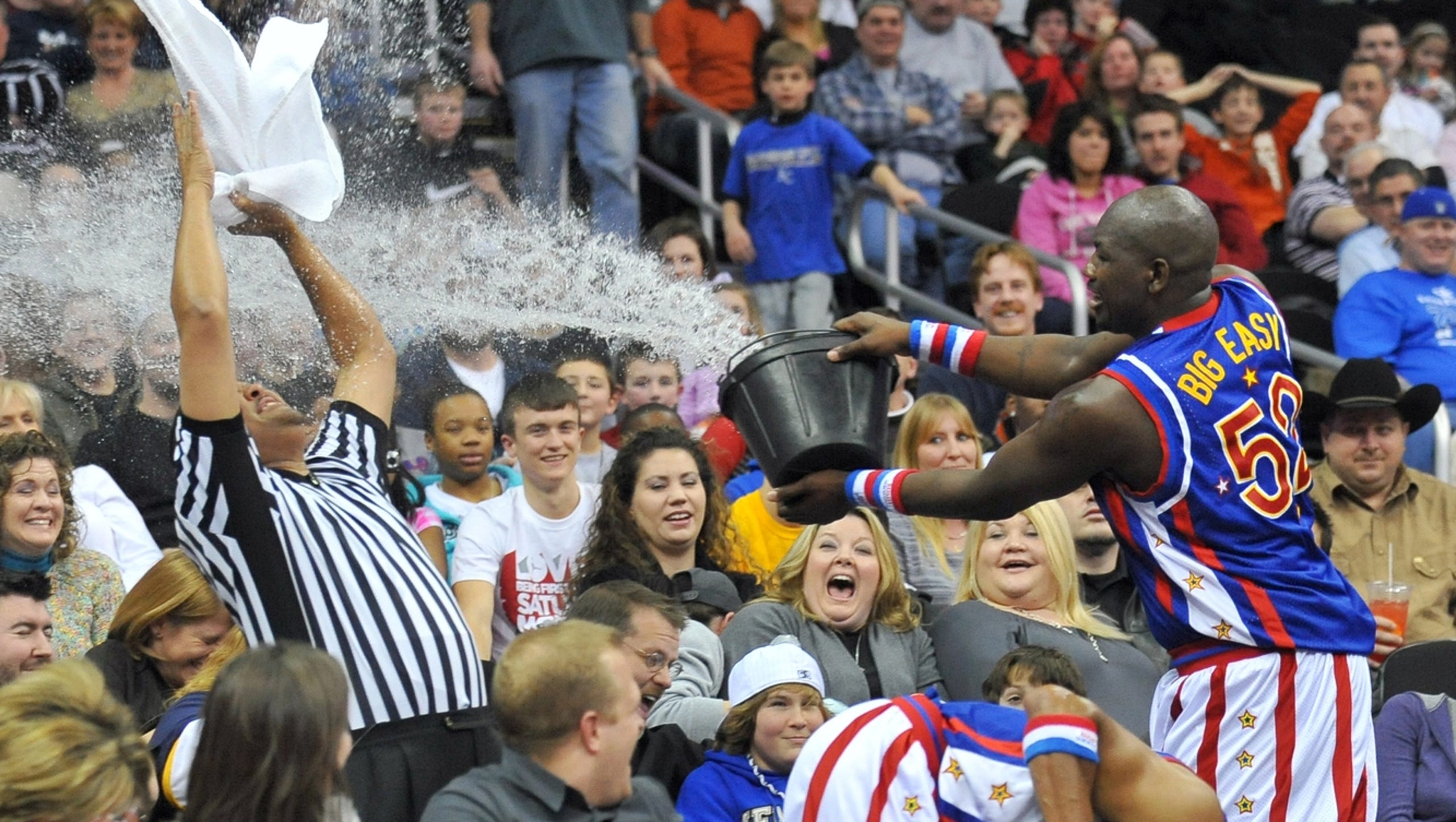
Now the pro-basketball Hall of Fame has Meadowlark Lemon as a member. The only record he has is most buckets of confetti thrown in any given year. The PGA has a movement described as protecting the “Gold Jacket” as its members were concerned with lowering the prestige of their award. Their new restrictions ensure that only the elite are honored
Evidence of exclusionary practices:
- Strict eligibility and voting rules consistently keep induction rates low.
- High-profile snubs (e.g., Belichick) can create backlash alleging unfair exclusion.
Evidence of expanding inclusion:
- More halls and categories now explicitly prioritize diversity and broader contributions.
- Specialized halls of fame emerged to celebrate overlooked groups.
In other words:
🟡 Traditional halls often remain exclusive in terms of raw induction rates and rigid criteria.
🟢 Broader, more inclusive halls and reforms are happening, but they operate alongside — not necessarily inside — the older institutions.
📌 Bottom Line
Halls of fame are still highly selective by design, which naturally leads to perceptions of exclusion — especially when legend-level figures are left out. At the same time, the sports world is creating additional halls and recognition paths to celebrate diversity and historical contributions that might otherwise be ignored. The result is an ongoing tension between tradition/exclusivity and inclusion/equity in how athletic excellence is honored.

 Life is not a Spectator Sport