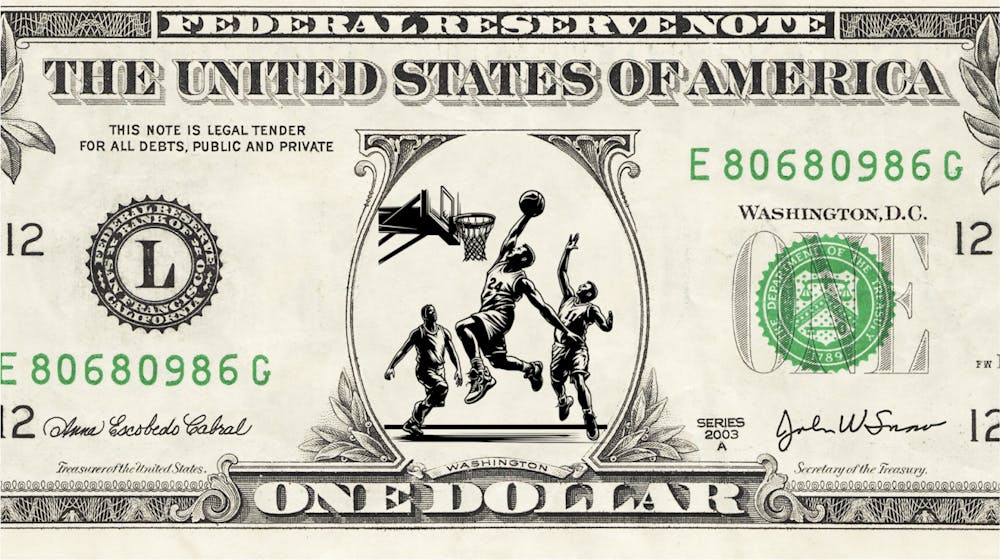
College basketball isn’t what it used to be—and that’s not necessarily a bad thing. But it is a very different game today than it was even five years ago.
Between NIL (Name, Image, and Likeness) deals and the transfer portal, the sport has basically turned into a full-blown marketplace. Players move more freely, money is flowing in ways we’ve never seen before, and programs are being built—and rebuilt—at lightning speed.
Just how big is the shift? Consider this: transfers in Division I men’s basketball jumped by about 75% between 2021 and 2023. That’s not a small uptick—that’s a complete change in how rosters are constructed. Players aren’t sticking around as long. Instead, they’re looking for better situations, whether that means more playing time, a bigger spotlight, or, let’s be honest, better NIL opportunities.
And while NIL was originally pitched as a way for athletes to earn money through endorsements, it’s often functioning as something much bigger. In many cases, it’s become a recruiting tool. Boosters and collectives are helping create financial packages that can influence where a player goes—or whether they stay. It’s not officially “pay-for-play,” but sometimes it feels like we’re splitting hairs.
At the same time, NIL is changing the path to the NBA. For years, the “one-and-done” model dominated college basketball. Top players would spend a single season in college and then jump to the pros as quickly as possible. But now? That’s starting to shift.
Why rush to the NBA if you can make serious money in college?
Some of the biggest NIL deals can rival—or even exceed—what a rookie might earn early in their NBA career. That gives players a real incentive to stay in school longer, develop their game, and build their personal brand before making the leap. It’s a totally new dynamic, and it’s reshaping the sport in real time.
Recruiting has changed along with it. High school prospects are no longer the only—or even the primary—focus for many programs. Coaches are digging into the transfer portal to find experienced players who can contribute right away. International players are also becoming a bigger piece of the puzzle, especially now that they can earn money while playing in the U.S.
And the money isn’t slowing down anytime soon. Starting July 1, 2025, schools will actually be able to pay athletes directly as part of a massive $2.8 billion settlement. That’s a huge step—and one that makes college basketball look even more like professional sports.
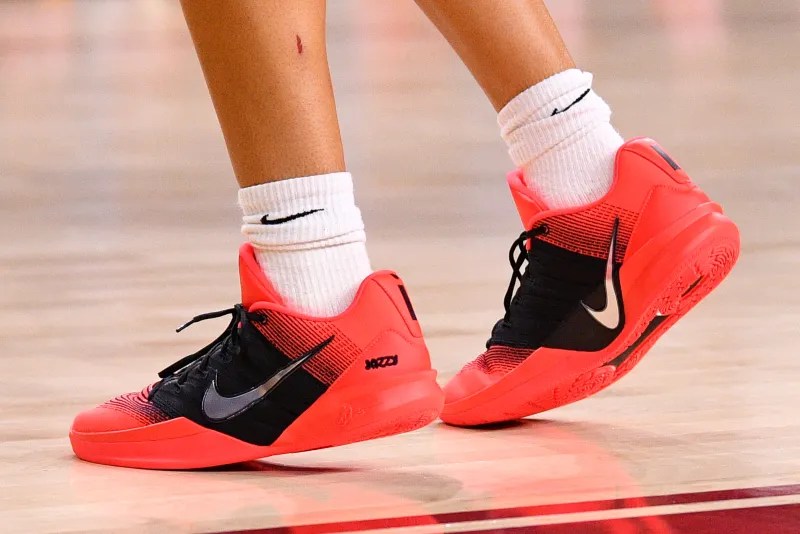
Then there’s the branding side of things. Today’s college players aren’t just athletes—they’re influencers. Teenagers are signing sneaker deals with companies like Adidas, Puma, and Reebok, starring in marketing campaigns, and promoting $200 shoes on social media. In some cases, they’re generating more buzz online than NBA veterans.
So yeah, the game has changed. A lot.
But here’s where things get interesting: amid all this chaos, one old-school idea is still holding strong—continuity matters.
Take Purdue, for example. While a lot of programs are constantly reshuffling their rosters, Purdue has stuck with a more traditional approach. They recruit players who fit their system, develop them over time, and rely on that experience when it counts.
And it’s working.
During their NCAA Tournament run, veteran players like Braden Smith, Fletcher Loyer, and Trey Kaufman-Renn stepped up in big moments—guys who’ve been in the program for years, not just a season or two. Their chemistry and familiarity showed, especially when the pressure was on.
They’re not alone, either. This year’s tournament has highlighted a surprising trend: many of the most successful teams are the ones with players who’ve stayed put. A good number of Sweet 16 teams feature multiple starters who’ve been with their programs for several seasons. Some teams, like Duke and Michigan State, are built almost entirely from players who never transferred at all.
That doesn’t mean the transfer portal doesn’t work—it clearly does. But it does suggest that constantly rebuilding your roster every offseason isn’t a guaranteed path to a championship.
Even the NBA draft reflects how much things are shifting. The 2023 class included a notable number of players who skipped college entirely, while others are now choosing to stay in school longer than expected. There’s no longer just one “right” path to the pros.
So where does all of this leave college basketball?
Honestly, somewhere in between.
It’s part tradition, part business. Part development league, part destination. NIL has opened doors for athletes in ways that were long overdue, giving them the chance to earn money and take control of their futures. But it’s also introduced new challenges—especially when it comes to maintaining team identity and long-term stability.
Maybe the real takeaway is this: there’s no single formula for success anymore.
You can build through the portal. You can build through high school recruiting. Or, like Purdue, you can build through patience and development. The teams that figure out how to balance all of it—money, movement, and culture—are probably the ones that will come out on top.
Because even in a game that’s changing fast, some things still matter just as much as they always have: trust, experience, and knowing the guy next to you is going to be there when it counts.


 Life is not a Spectator Sport
Leave a comment