
Why does integrity of the game matter?
Not that long ago, sports betting felt like something that lived on the margins—Vegas trips, office pools, maybe a friendly wager between friends. Now, it’s everywhere. Open an app during a game and you’re not just watching—you’re being invited to bet on the next pitch, the next possession, even the next player to commit a foul. Welcome to the era of prop betting, where the action inside the action has become the main attraction.
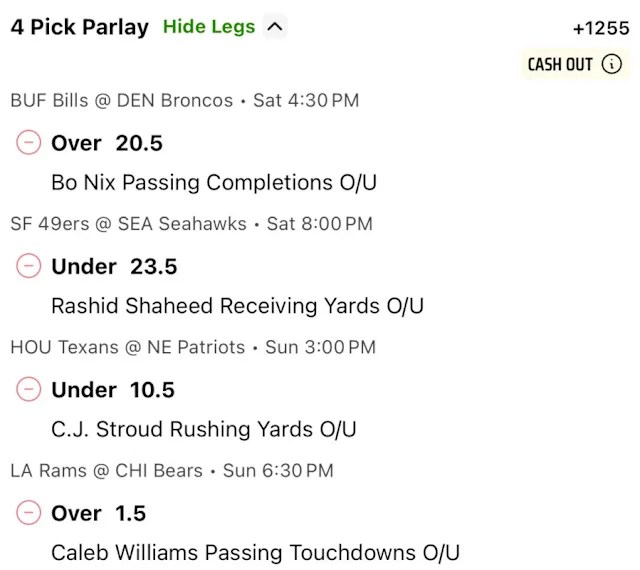
For the uninitiated, prop bets (short for proposition bets) aren’t about who wins or loses. They’re about everything else. Will a quarterback throw for over 275 yards? Will a basketball player grab more than 8 rebounds? Will the next at-bat end in a strikeout? These micro-wagers have exploded in popularity, especially since the U.S. Supreme Court struck down the federal ban on sports betting in 2018, opening the door for states to legalize and regulate it.
The numbers tell the story. Billions of dollars now flow through legal sportsbooks each year in the U.S., and a growing share of that comes from in-game and prop betting. It’s fast, it’s constant, and it’s engineered to keep fans engaged from the opening whistle to the final buzzer. For leagues and broadcasters, it’s been a goldmine—partnerships with betting companies are now baked into the viewing experience.
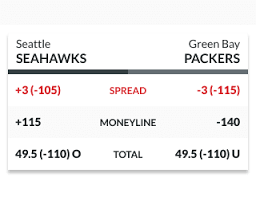
But here’s the uncomfortable question creeping into more conversations: if so much money is riding on tiny, individual moments, can we still trust what we’re watching?
Historically, sports have had their scandals. Point-shaving in college basketball, the Black Sox in baseball, the occasional referee controversy—none of this is new. But prop betting changes the risk profile in a subtle and potentially more dangerous way. You no longer need to fix the outcome of a game to influence a bet. A single player’s stat line, a single play, even a single decision can swing thousands—sometimes millions—of dollars.
Imagine a bench player who knows the betting line for his rebounds is 5.5. Or a pitcher aware that strikeout totals are being heavily wagered. Or even an official conscious of how a tightly called game could affect foul-related bets. It doesn’t take a full-blown conspiracy to create doubt—just the possibility that incentives are no longer perfectly aligned with pure competition.
To be clear, there’s no evidence that major sports leagues are broadly compromised. In fact, leagues have invested heavily in integrity monitoring, data analysis, and partnerships designed to detect suspicious activity. Players and officials are subject to strict rules about gambling, and violations can bring serious consequences.
But perception matters almost as much as reality.
For now, the answer is mostly yes—but with an asterisk. The games themselves are still overwhelmingly legitimate, played by competitors who want to win. The systems in place to protect integrity are real and constantly evolving. But the environment around the games has changed, and it’s not going back.
What’s growing is not necessarily corruption, but doubt.
And doubt, once introduced, has a way of sticking around. It lingers in the background, turning close calls into controversies and coincidences into questions. The more granular the bets, the more opportunities there are for those questions to arise.
Sports have always been about uncertainty—that’s what makes them compelling. The challenge now is making sure that uncertainty feels like part of the game, not a byproduct of something else.
Because the moment fans stop trusting what they’re seeing isn’t just a problem for bettors—it’s a problem for sports itself.
I’m SABear and I approve this message.


 Life is not a Spectator Sport
Leave a comment