
It started, as many modern stories do, with a statistic that didn’t quite feel real.
Eighty-two percent of Americans believe the phrase “God helps those who help themselves” comes from the Bible. It doesn’t. Twelve percent think Joan of Arc was Noah’s wife. Half of graduating high school seniors believe Sodom and Gomorrah were a married couple.
For pastors across the country, these aren’t just trivia errors—they’re warning signs.
At a recent gathering of church leaders in Alabama, one issue rose above all others: biblical illiteracy. Not declining attendance. Not cultural shifts. Not even politics. The concern was simpler, and in many ways more troubling—people just don’t know the Bible anymore.
And increasingly, they’re not reading it either.
Recent surveys show only about 10 percent of Christians read the Bible daily, a steep drop from just a few years ago. Nearly 40 percent read it only a handful of times per year, and about half don’t engage with it at all. Even more striking, while 81 percent of Americans say they feel at least somewhat knowledgeable about the Bible, fewer than half can name its first five books.
For professors like New Testament scholar Gary Berding, the trend is unmistakable. Students arriving on college campuses today know even less about the Bible than those who came before them just a decade ago. A generation raised on quick searches and short-form content is less inclined to wrestle with long, complex texts.
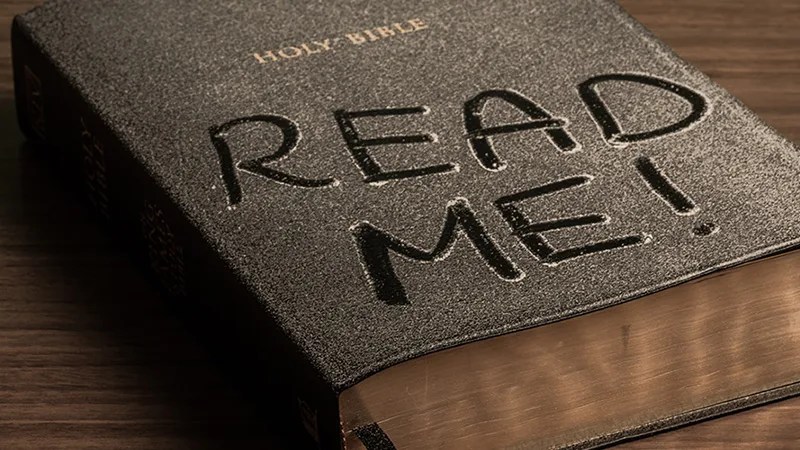
“Christians used to be known as people of one book,” Berding has said. “We don’t do that anymore.”
The consequences go beyond missed quiz questions. Polling shows a record-low percentage of Christians now believe the Bible is the literal word of God. For many, it’s become just another historical or cultural document—detached from daily life.
Some church leaders describe the shift in even starker terms: America isn’t becoming post-Christian—it’s becoming pre-Christian again. A place where basic biblical language, references, and narratives are no longer understood.
So what happened?
Part of the answer is cultural. Reading itself is declining. After high school, more than half of Americans don’t regularly read books of any kind. Add in the pace of modern life—dual-income households, packed schedules, digital distractions—and sustained study becomes harder to prioritize.
But there’s also a subtler shift. Many people now rely on snippets—verse-of-the-day apps, social media posts, or Sunday sermons—to engage with scripture. While helpful, they often replace deeper, more consistent study. Over time, the result is familiarity without understanding.
And yet, in the middle of this quiet crisis, something unexpected is happening.
Across the country, churches are rethinking how Bible study looks—and who it’s for.
Instead of traditional lecture-style gatherings, a growing number of congregations are building small groups centered not just on scripture, but on shared interests. Men’s groups that combine study with fitness or mentorship. Women’s gatherings built around parenting or career stages. Young adult groups that meet over coffee or meals. Even hobby-based groups—hiking, sports, or service projects—now incorporate structured Bible discussions.
The idea is simple: meet people where they are.
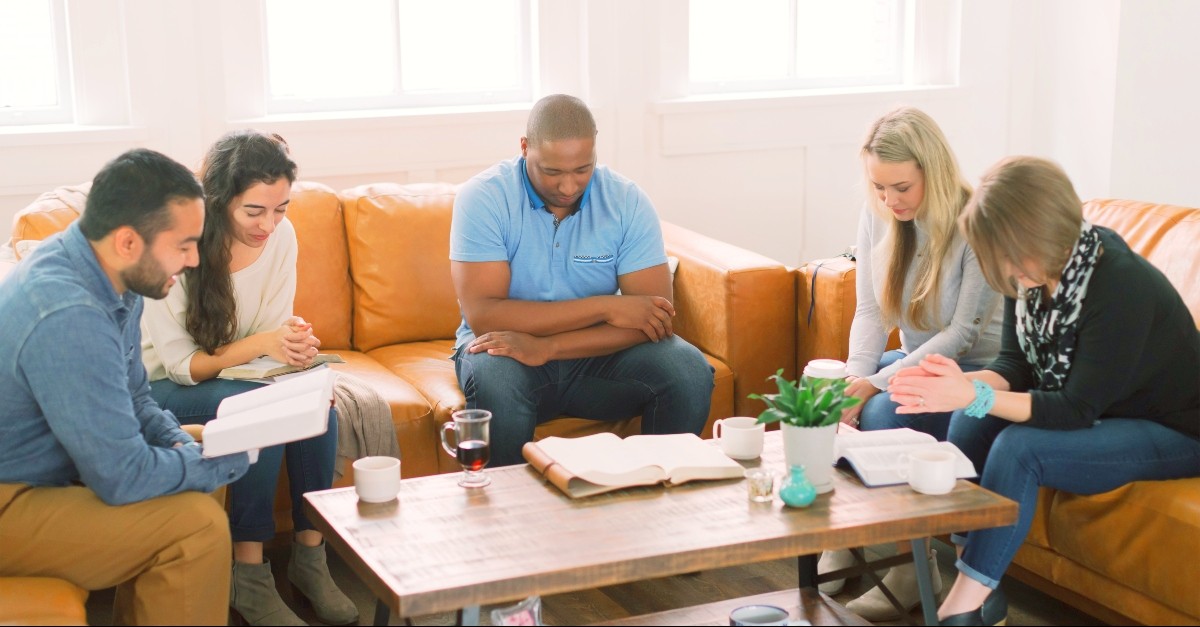
These groups typically run 60 to 90 minutes, blending conversation, prayer, and guided study of a specific passage. Some follow structured programs like inductive studies that teach participants how to interpret scripture themselves. Others take a more informal approach, focusing on discussion and community.
There are also digital options—online study groups, virtual classes, and hybrid models—designed for people whose schedules or locations make in-person attendance difficult.
For many churches, the shift isn’t just strategic—it’s necessary.
Leaders say people are more likely to engage with scripture when it’s connected to relationships and real life. A weekly sermon may inspire, but it rarely provides the depth needed to build understanding. Small groups, by contrast, create space for questions, context, and conversation.
In other words, they slow things down.
And that may be the key.
Because at its core, the problem of biblical illiteracy isn’t just about knowledge—it’s about attention. The willingness to sit with a text, to wrestle with it, and to return to it consistently.
That’s not easy in a culture built on speed.
But in living rooms, coffee shops, and church basements across the country, small groups are quietly pushing back against that trend. Not with grand programs or sweeping reforms, but with something far simpler: people gathering, opening a book, and trying to understand it together.
It’s not a complete solution. The statistics remain sobering. The gap between perception and knowledge is still wide.
But for the first time in a while, there are signs that the story isn’t just about decline.
It may also be about rediscovery.
I’m SABear and I approve this message.


 Life is not a Spectator Sport
Leave a comment