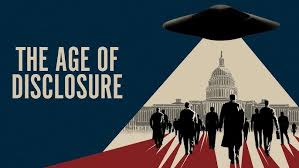
In early 2026, the conversation around UFOs—now more formally called Unidentified Aerial Phenomena (UAP)—shifted from fringe speculation to something closer to mainstream policy. The catalyst: a directive from Donald Trump ordering the release of government files related to UFOs and possible extraterrestrial life.
But disclosure, as history shows, is never simple. It lives in the tension between transparency and secrecy, evidence and belief—and perhaps most controversially, between whistleblowers and the institutions they challenge.
The Push for Disclosure
The U.S. government has investigated UFOs for decades, from Project Blue Book in the mid-20th century to modern Pentagon efforts. Official conclusions have remained consistent: no confirmed extraterrestrial origin.
Yet the tone has changed.
- Trump’s directive called for releasing “any and all” relevant UFO data.
- Congress is now demanding dozens of classified videos showing objects with extreme flight capabilities.
- Government agencies have even registered domains like “aliens.gov,” signaling a shift toward normalization of the topic.
At the same time, military encounters with unknown craft—captured on radar, infrared cameras, and pilot testimony—remain unresolved.
The result is a paradox: more data than ever, but no definitive answers.
What the Released Data Actually Shows
Despite the anticipation, the bulk of released or leaked material falls into three categories:
1. Unexplained but not extraterrestrial
Pentagon reports continue to attribute many sightings to drones, balloons, or sensor anomalies.
2. Genuinely unexplained phenomena
Some cases—such as objects demonstrating instantaneous acceleration or transmedium travel (air to water)—remain unsolved.
3. Speculative or anecdotal claims
These include testimonies from insiders, often without physical evidence.
This ambiguity fuels both skepticism and belief. As one expert noted, partial transparency can actually deepen suspicion rather than resolve it.
The Whistleblower Problem
No aspect of UFO disclosure is more controversial than whistleblowers.
The most prominent modern figure is David Grusch, a former intelligence officer who claimed:
- The U.S. possesses “non-human” craft
- Secret programs exist to reverse-engineer them
- Individuals have been threatened—or worse—to maintain secrecy
These are extraordinary allegations. But they remain unproven, and have been denied by NASA and the Department of Defense.
Still, Grusch’s testimony helped trigger congressional hearings and new whistleblower protections.
Punishment, Pressure, and Fear
Even without confirmed evidence, the culture surrounding UFO whistleblowing is marked by fear and consequence.
Recent political figures have hinted at this:
- Congressman Tim Burchett suggested insiders risk retaliation and even death.
- Whistleblowers have reported harassment, career damage, and loss of security clearance (historically common in classified sectors).
- The stigma alone—long associated with UFO claims—has functioned as a soft form of suppression.
This creates a chilling effect:
If disclosure depends on insiders, but insiders fear consequences, how much truth can ever emerge?
The Role of Public Belief
Public opinion is driving disclosure as much as politics.
- Roughly two-thirds of Americans believe intelligent life exists beyond Earth.
- A majority suspect some level of government concealment (as reflected in your cited polling trends).
This pressure has forced institutions to respond—not necessarily with full transparency, but with incremental acknowledgment.

The Possibility of “Controlled Disclosure”
Some researchers argue we are witnessing not full disclosure, but managed disclosure:
- Gradual release of data
- Framing UFOs as national security issues rather than extraterrestrial
- Avoidance of definitive conclusions
This approach allows governments to maintain control of the narrative while appearing transparent.
The Bigger Question: What If It’s True?
Even among scientists, the question is no longer if life exists somewhere, but whether it has visited Earth.
Experts like Avi Loeb argue for serious scientific investigation, while others remain skeptical due to lack of physical evidence.
And then there’s the philosophical angle:
If an advanced civilization is observing us, what would it see?
A species divided by conflict, secrecy, and competition—even in the search for truth.
Conclusion: Disclosure or Illusion?
UFO disclosure sits in an uneasy middle ground:
- Governments acknowledge unexplained phenomena—but deny extraterrestrial origins.
- Whistleblowers make extraordinary claims—but lack verifiable proof.
- The public demands answers—but receives ambiguity.
The result is not clarity, but a slow-burning question:
Are we being prepared for a truth… or distracted from one?
Until undeniable evidence emerges—something physical, repeatable, and public—UFO disclosure will remain what it has always been:
A story shaped as much by secrecy and belief as by science.
Please include all this information, but context it in a conversational style.
Here’s a more conversational, blog-style version that keeps the substance but reads like you’re talking directly to the reader:
UFO Disclosure: Are We Finally Getting the Truth—or Just Another Version of It?
For decades, UFOs lived on the fringe—late-night radio, conspiracy forums, and grainy footage that always seemed just a little too blurry to be convincing. But lately, something has changed. The U.S. government isn’t laughing anymore. In fact, it’s talking. Releasing files. Holding hearings. Even using official language like “UAPs” (Unidentified Aerial Phenomena) to describe what used to be dismissed outright.
So what’s going on here? Are we finally getting disclosure—or just a carefully managed version of it?
Let’s break it down.
The Moment That Shifted Everything
In early 2026, Donald Trump made headlines by ordering the release of government files related to UFOs. On the surface, that sounds like the moment truth finally breaks through—years of secrecy suddenly opened to the public.
But the reality is more complicated.
Yes, files are being released. Yes, Congress is pushing for more transparency, including dozens of classified videos reportedly showing objects doing things we can’t easily explain—extreme سرعت, strange movement patterns, even transitions between air and water.
But here’s the catch: none of it confirms extraterrestrial life.
So What Do the Files Actually Show?
If you were expecting a smoking gun—alien bodies, crashed spacecraft, something undeniable—you’re going to be disappointed.
Most of what’s been released falls into a few categories:
- Some sightings turn out to be drones, balloons, or sensor glitches
- Others remain unexplained, even after investigation
- And then there are insider claims—compelling, but unproven
That middle category is where things get interesting. Military pilots have described objects that accelerate instantly, hover without propulsion, and move in ways that don’t match known technology. These aren’t random civilians—they’re trained observers with advanced equipment backing up what they saw.
Still, “unexplained” doesn’t automatically mean “alien.” And that gap between those two ideas is where the entire debate lives.
Enter the Whistleblowers
This is where the story takes a sharper turn.
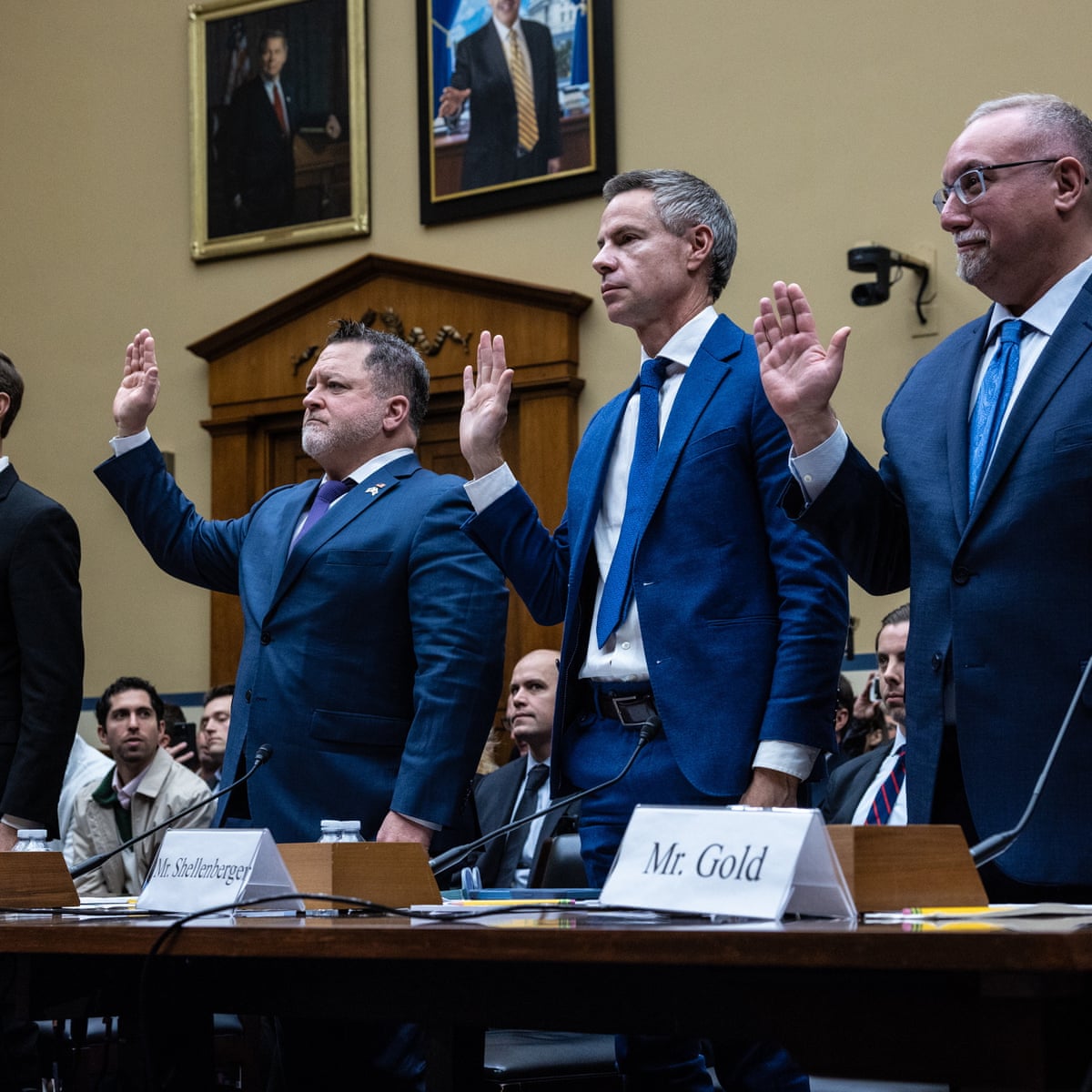
One of the most talked-about figures is David Grusch, a former intelligence official who stepped forward with explosive claims. According to him, the U.S. government isn’t just studying UFOs—it’s recovered non-human craft and is actively trying to reverse-engineer them.
That’s the kind of statement that either changes history… or falls apart under scrutiny.
So far, there’s no physical evidence publicly available to back it up. Agencies like NASA and the Department of Defense have denied these claims. But Grusch didn’t just go public—he testified under oath, which raises the stakes significantly.
And he’s not alone.
The Cost of Speaking Out
Here’s something that doesn’t get enough attention: what happens to people who come forward.
Whistleblowers in this space often describe:
- Careers suddenly derailed
- Security clearances revoked
- Intimidation or harassment
- Being labeled unstable or unreliable
Some lawmakers, like Tim Burchett, have even suggested that insiders fear severe retaliation if they reveal too much.
Now, to be clear—there’s no verified evidence of extreme claims like assassinations tied to UFO secrecy. But you don’t necessarily need something that dramatic to keep people quiet. Losing your career, your reputation, and your credibility can be just as effective.
And that creates a serious problem:
If the truth depends on insiders speaking up, but insiders are afraid to speak, how much truth are we actually getting?
Why the Public Isn’t Letting This Go
At the same time, public belief is pushing this issue forward.
Polls consistently show that a majority of Americans think there’s more to the UFO story than the government admits. Many believe some level of concealment is happening—even if they’re not sure what’s being hidden.
That pressure matters. It’s one reason we’re seeing more hearings, more reports, and more acknowledgment than ever before.
But acknowledgment isn’t the same as full transparency.
Are We Watching “Controlled Disclosure”?
There’s a growing idea that what we’re seeing isn’t full disclosure—it’s controlled disclosure.
Think about it:
- Information is released slowly, over time
- UFOs are framed as national security issues, not extraterrestrial ones
- The most dramatic questions remain unanswered
This approach keeps the public informed—but not overwhelmed. Curious—but not fully convinced.
And maybe that’s the point.
So… What’s the Truth?
Right now, we’re stuck in a strange middle ground.
The government admits there are objects in our skies it can’t fully explain.
Whistleblowers claim there’s much more going on behind the scenes.
Scientists remain skeptical, waiting for hard evidence.
And the public? Still trying to connect the dots.
Maybe there’s nothing extraordinary behind it—just advanced tech, misidentified objects, and a lot of human imagination.
Or maybe we’re looking at the early stages of something much bigger, being revealed one piece at a time.
The Real Question
At this point, the biggest mystery might not be UFOs themselves—it’s the gap between what’s known and what’s shared.
Because until there’s clear, undeniable evidence—something physical, something verifiable—UFO disclosure will continue to live in that gray area between belief and proof.
And that leaves us with one lingering question:
Are we being told the truth… or just enough of it?
I’m SABear and I approve this message


 Life is not a Spectator Sport
Leave a comment