
On November 22, 1963, the motorcade of John F. Kennedy rolled through Dealey Plaza, and within seconds, history fractured. Officially, the man responsible was Lee Harvey Oswald—a 24-year-old former Marine firing from the sixth floor of the Texas School Book Depository. But more than six decades later, a majority of Americans remain unconvinced that he acted alone. And when you follow the evidence—and the gaps—it becomes difficult to dismiss that skepticism.
Recent polling shows roughly 65% of Americans believe Kennedy’s assassination involved a conspiracy. That belief spans political and educational lines, though not evenly. Republicans and independents are more likely to reject the lone gunman theory, while Democrats and those with postgraduate education are somewhat more inclined to accept it. Still, even among college graduates, a clear majority suspects multiple actors. This isn’t fringe thinking—it’s a persistent national doubt.
At the center of that doubt is the official narrative itself. The Warren Commission concluded in 1964 that Oswald acted alone, firing three shots in under nine seconds with a bolt-action rifle. For many, that conclusion has always strained credibility. Questions about timing, accuracy, and trajectory have fueled decades of scrutiny. Could a single shooter, under those conditions, produce the wounds observed in both Kennedy and Texas Governor John Connally?
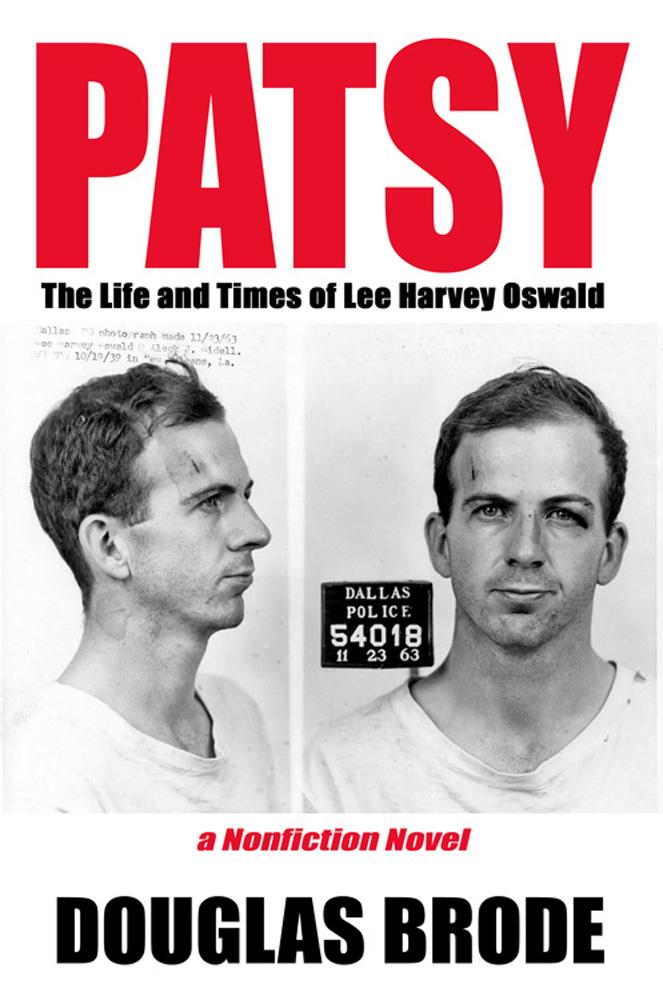
Then there’s the so-called “magic bullet” theory—a single projectile allegedly causing multiple wounds across two men while remaining largely intact. Critics argue that this stretches the limits of physics and probability. Supporters say it’s misunderstood. But the fact that such a theory is necessary at all underscores how tightly the lone gunman explanation must be held together.
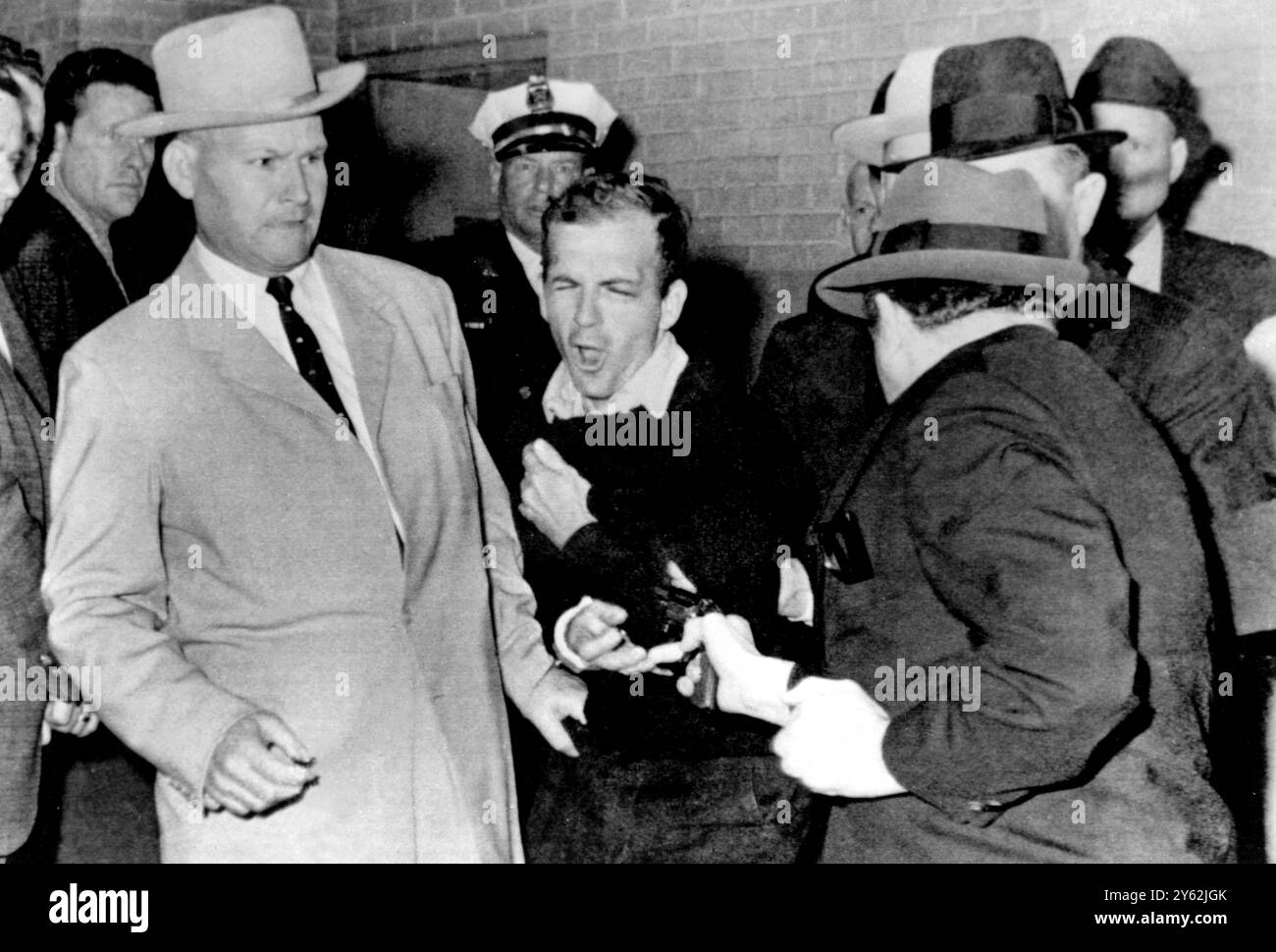
Equally troubling is what happened after the shooting. Lee Harvey Oswald was arrested, proclaiming his innocence—“I’m just a patsy.” Two days later, before he could stand trial, he was shot and killed on live television by Jack Ruby, a nightclub owner with murky connections. With Oswald’s death, the possibility of a full public accounting died with him. There would be no cross-examination, no defense, no trial record—only investigations conducted after the fact.
In the years that followed, another body—the United States House Select Committee on Assassinations—revisited the case. In 1979, it concluded that Kennedy was “probably assassinated as a result of a conspiracy,” citing acoustic evidence suggesting more than one shooter. Though that evidence has been debated, the committee’s conclusion marked a significant departure from the Warren Commission’s certainty.
Public suspicion has only deepened over time, particularly regarding the potential involvement of elements within the U.S. government. Today, about 20% of Americans who believe in a conspiracy specifically point to government actors—a figure that has grown in tandem with declining trust in federal institutions. The secrecy surrounding classified documents, many of which were withheld for decades, has only added fuel to that fire. When information is delayed or redacted, speculation fills the void.
None of this definitively proves that Lee Harvey Oswald did not fire the shots that day. But it raises a more fundamental question: was he truly alone? The inconsistencies in the timeline, the unanswered forensic questions, the silencing of the primary suspect, and the evolving conclusions of official investigations all point toward a more complex reality than the one first presented.
In the end, the assassination of John F. Kennedy remains not just a historical घटना, but an enduring mystery. A single gunman may be the simplest explanation—but history is rarely that simple. And for a majority of Americans, the echoes of Dealey Plaza still suggest that more than one voice was involved in that fateful moment.
I am SABear and I approve this message.


 Life is not a Spectator Sport
Leave a comment