Between 2000 and 2020, the religious landscape in the United States underwent a significant shift. The percentage of Americans identifying as Christian declined, while the number of people claiming no religious affiliation—the so-called “nones”—rose sharply. Although Christianity remained the largest religious category, the growth of the unaffiliated represented the most notable change during this period. The share of Americans with no religious preference increased from roughly 8% in 2000 to about 20–22% by 2020. At the same time, trends within Christianity also shifted.
In 2000, a majority of Americans—about 57%—identified as Protestant or nondenominational Christian, roughly twelve percentage points higher than two decades later. Approximately 25% identified as Catholic, several points above current figures. Scholars have proposed multiple explanations for these changes, including increased emphasis on scientific inquiry, declining trust in religious institutions, clergy scandals, rising rates of interfaith marriage, and smaller family sizes. Cultural shifts within the modern family structure and changing social priorities have also been cited as contributing factors, particularly among younger generations who may view organized religion as restrictive or outdated.
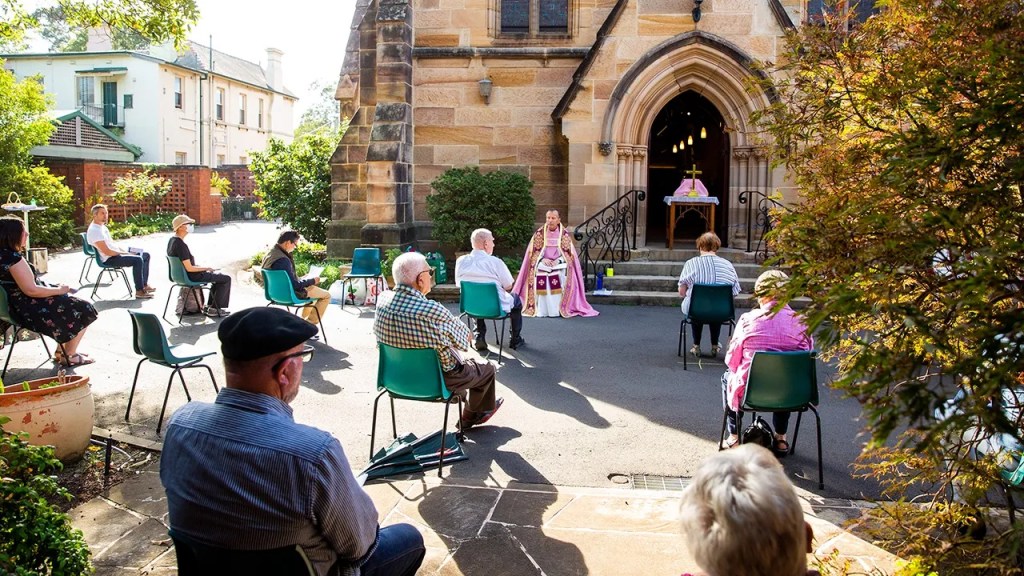
The COVID-19 pandemic further transformed religious participation. On March 11, 2020, the World Health Organization classified COVID-19 as a global pandemic, prompting widespread social-distancing measures and temporary church closures. Congregations and clergy were forced to adapt quickly, turning to digital platforms to maintain connection with members. While religious broadcasting has existed for decades through radio and television, internet streaming proved more accessible and interactive. Churches increasingly relied on platforms such as YouTube Live, Facebook Live, and specialized streaming services to reach their congregations.
Research from Nashville-based Lifeway Research found that 45% of Americans reported watching a Christian church service online during the pandemic, including many who did not typically attend in person. By March 2020, 92% of Protestant pastors reported providing online video sermons or worship services, a figure that rose to 97% the following month. These shifts created both challenges and opportunities. Some congregants moved exclusively online, others avoided digital services altogether, and many adopted a hybrid approach. Additional studies suggest that approximately 30% of Americans use websites or mobile applications to explore religious information, with notable percentages using scripture apps or watching faith-based videos.

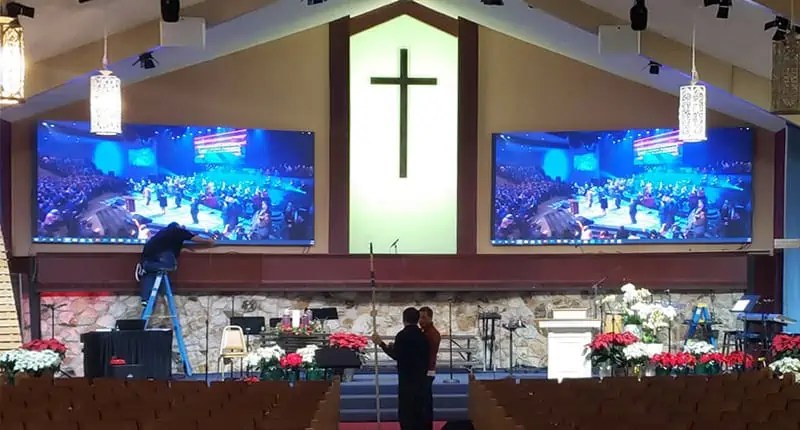
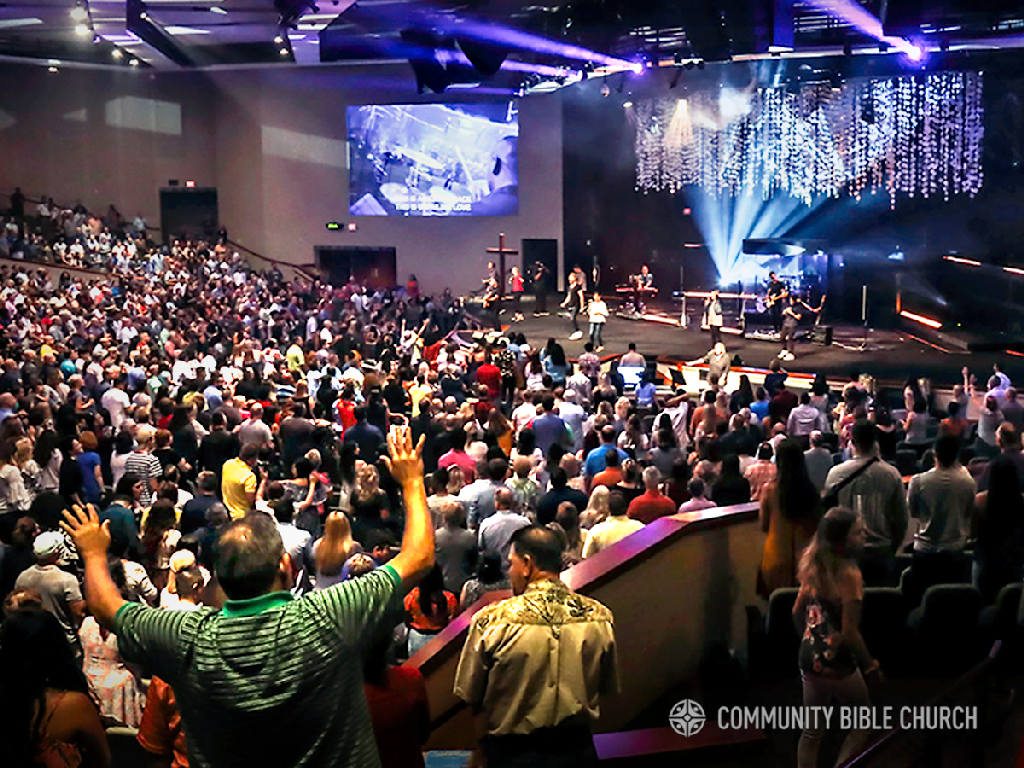
Church websites and digital tools now commonly support online donations, volunteer sign-ups, service updates, and archived sermons. Technology has also reshaped in-person services. Contemporary worship environments often feature large display screens for lyrics, advanced sound systems, and coordinated lighting effects designed to engage attendees. Social media has become another key outreach tool, enabling churches to build community, share messages, and connect with younger audiences. However, these platforms also carry risks, including negative public feedback, reputational harm, and the time demands of consistent content management.
The increasing integration of technology into religious life reflects a broader cultural adaptation. Supporters argue that digital services and online engagement allow longstanding institutions to remain relevant and accessible in a rapidly changing society. Critics contend that excessive reliance on technology may dilute tradition or reduce meaningful personal interaction. In reality, both perspectives hold merit. Technology can expand outreach, encourage participation, and simplify communication, yet face-to-face relationships and community presence remain central to spiritual development.
Ultimately, many religious organizations are striving to balance tradition with innovation. Greater inclusivity and broader community engagement are becoming more common, even as debates over social issues continue within various denominations. When used thoughtfully, technology can function not merely as a promotional tool but as a means of service—helping institutions connect people, coordinate charitable efforts, and foster a sense of belonging. The modern church, like many enduring social institutions, must continually evaluate how best to remain authentic while adapting to the evolving needs of the communities it serves.

I’m SABear and I approve this message

 Life is not a Spectator Sport
Leave a comment