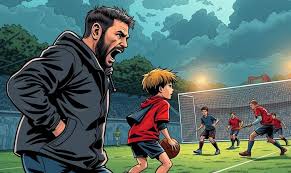
The modern youth sports landscape in America is undergoing a quiet but profound transformation—and many would argue, a crisis. What was once rooted in community fields, school gyms, and simple recreation has evolved into a high-cost, high-pressure industry that is reshaping who gets to play, how long they stay, and at what cost to their health.
Let’s break this down into three interconnected issues: access, burnout, and safety—because together, they tell a bigger story about what youth sports is becoming.
1. The Pay-to-Play Problem: When Opportunity Has a Price Tag
At the center of the crisis is the rise of the “pay-to-play” model, where participation increasingly depends on a family’s financial resources rather than a child’s interest or ability.
- The average U.S. family now spends about $1,016 per year on a single child’s primary sport, a 46% increase since 2019
- In competitive environments like travel baseball, costs can reach $3,000–$7,000 annually, with elite programs exceeding $10,000 per year
- Some families spend nearly 10% of their income just to keep their child playing
This isn’t just about inconvenience—it’s about exclusion.
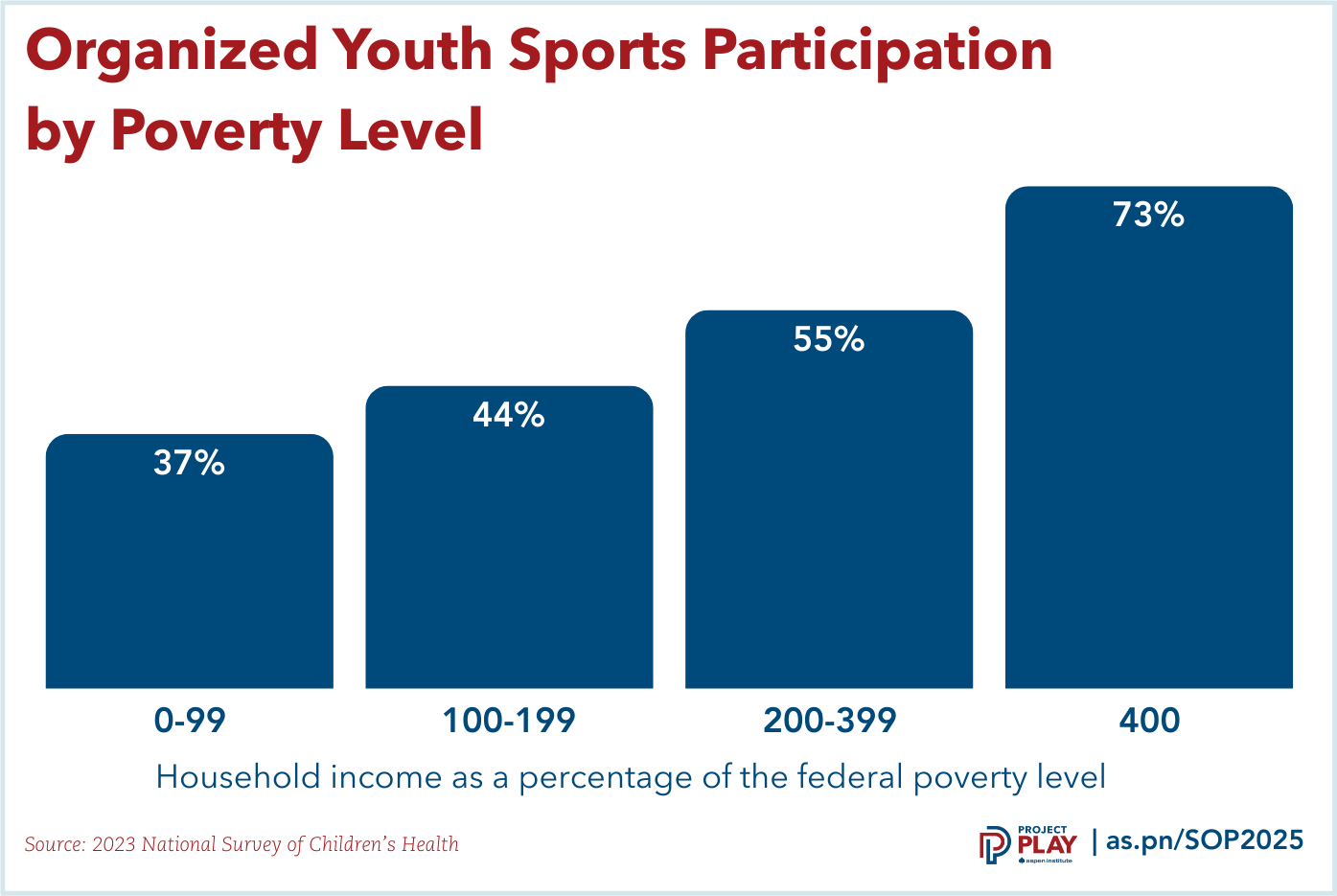
Lower-income families are increasingly priced out, creating a system where:
- Wealthier children gain access to better coaching, facilities, and exposure
- Lower-income youth lose access to sports altogether
This shift has been accelerated by private investment and commercialization, turning youth sports into a multi-billion-dollar industry driven by tournaments, travel teams, and specialized training .
The result? Talent is no longer the primary gatekeeper—money is.
2. Burnout and Pressure: When Play Stops Being Fun
As costs rise, so do expectations.
When families invest thousands of dollars, the mindset subtly shifts:
“If we’re paying this much, it better lead somewhere.”
That pressure trickles down to kids.
- 70% of youth athletes quit organized sports by age 13, often citing burnout and lack of enjoyment
- Over 50% report frequent fatigue, and many feel overwhelmed by parental and coaching expectations
- Early specialization—focusing on one sport year-round as young as age 8—has become the norm
But research shows the opposite approach is healthier:
- Kids who play multiple sports experience less burnout and better overall development
The structure of modern youth sports—travel teams, constant competition, year-round schedules—leaves little room for:
- Free play
- Recovery
- Simply enjoying the game
Instead of building lifelong athletes, the system is burning them out before high school.
3. Safety Concerns: The Hidden Cost of Competition
Parents today aren’t just worried about cost—they’re worried about safety, especially when it comes to injuries like concussions.
- Concussions are now one of the top concerns among parents in youth sports
- Increasing intensity, year-round play, and early specialization all contribute to higher injury risk
- Overuse injuries (like stress fractures and ligament tears) are rising in young athletes
At the same time:
- 57% of youth coaches lack formal training in areas like child physiology or injury prevention
That combination—higher intensity + less qualified oversight—creates a dangerous environment.
And here’s the irony:
In trying to give kids a competitive edge early, the system may actually be jeopardizing their long-term health and athletic potential.
The Bigger Picture: A System Out of Balance
Youth sports still offer incredible benefits—teamwork, discipline, confidence, and improved mental health later in life . But those benefits are being overshadowed by structural issues:
- Access is shrinking due to rising costs
- Enjoyment is declining due to pressure and specialization
- Safety risks are increasing due to overuse and inadequate training
What used to be a space for growth and play is increasingly shaped by:
- Profit motives
- College aspirations
- Adult expectations
Where Do We Go From Here?
Solving this crisis doesn’t mean eliminating competition—it means restoring balance.
Some potential paths forward:
- Expanding community-based, low-cost leagues
- Encouraging multi-sport participation instead of early specialization
- Investing in coach education and safety protocols
- Creating policies that limit excessive travel and competition schedules
Because at its core, youth sports was never supposed to be about scholarships, rankings, or returns on investment.
It was supposed to be about kids playing.
I’m SABear and I approve this message.


 Life is not a Spectator Sport
Leave a comment